“A parked vehicle blocks the only lane to the back row, and another car is waiting behind it.”Use this Event →
AI blocked exit detection with your existing cameras
Know when the way through stays blocked.
A car stopping to unload is normal. Describe when it becomes a problem, and your cameras tell you only then.
- Waits for the time you set
- Works with your existing cameras
- Faces blurred by default
RECRow C
How it tells a quick stop from a blocked way.
Most stops are short: a delivery, an unload, a pallet on its way. Your Agent waits for the time you set and alerts only when the way stays blocked.
Describe what blocked means
“A parked vehicle blocks the only lane to the back row, and another car is waiting behind it.” Name the exit or lane.
The Agent watches
Your Station sends short sequences of frames to your AI model, which checks them against your description.
It waits for your time
With “Only if it continues…” set to 2 minutes, a quick stop stays quiet and a blocked lane does not.
Someone clears it
Staff get the place, the time and what was seen, by Push, Email or in Messages.
Ready-made blocked exit Events.
Open one in your workspace, choose the cameras and save. Change the words to fit your space.
“Boxes, a trolley or other objects block the fire exit door or the space in front of it.”Use this Event →
“A vehicle is parked in front of the loading dock and nobody is loading it.”Use this Event →
“Boxes block the marked pedestrian walkway.”Use this Event →
“A trolley or other object is blocking this exit.”Use this Event →
“A vehicle is parked across the gate, so other vehicles cannot get in or out.”Use this Event →
Set it up for exits and driveways.
The right wait keeps everyday stops quiet and real blockages visible.
Match the wait to the place
Use 2 minutes for a driveway and 5 for a loading bay. For a fire exit, alert once detected.
Say what normal looks like
Add “and nobody is loading it” or “and nobody is clearing it”, so a delivery in progress does not count.
Show the whole way through
Point the camera along the lane, aisle or corridor so the exit and the space in front of it are in view.
Point out the exit
Add the exit to the Event’s location context, for example “the fire door on the left wall”, so the Agent knows where to look.
Reach whoever can clear it
Turn on Push on each phone that should hear about it, add Email, or use Zapier or a webhook for team chat.
Test it safely
Park a car or put a box in the way for longer than the wait you set, then read the Message and adjust the wording.
How it compares with walk-round checks.
Most blockages are found on a round or through a complaint. A camera checks all day.
Walk-round checks
Find blockages at set times. Anything blocked between rounds waits for the next one.
Complaints
Arrive after someone has already waited. An Agent tells staff while the car is still there.
Ordinary CCTV
Records the blocked exit for someone to notice later. An Agent watches live and tells you while it is still blocked.
Watch the way through, not the people.
Cameras on exits and driveways also see staff, tenants and visitors.
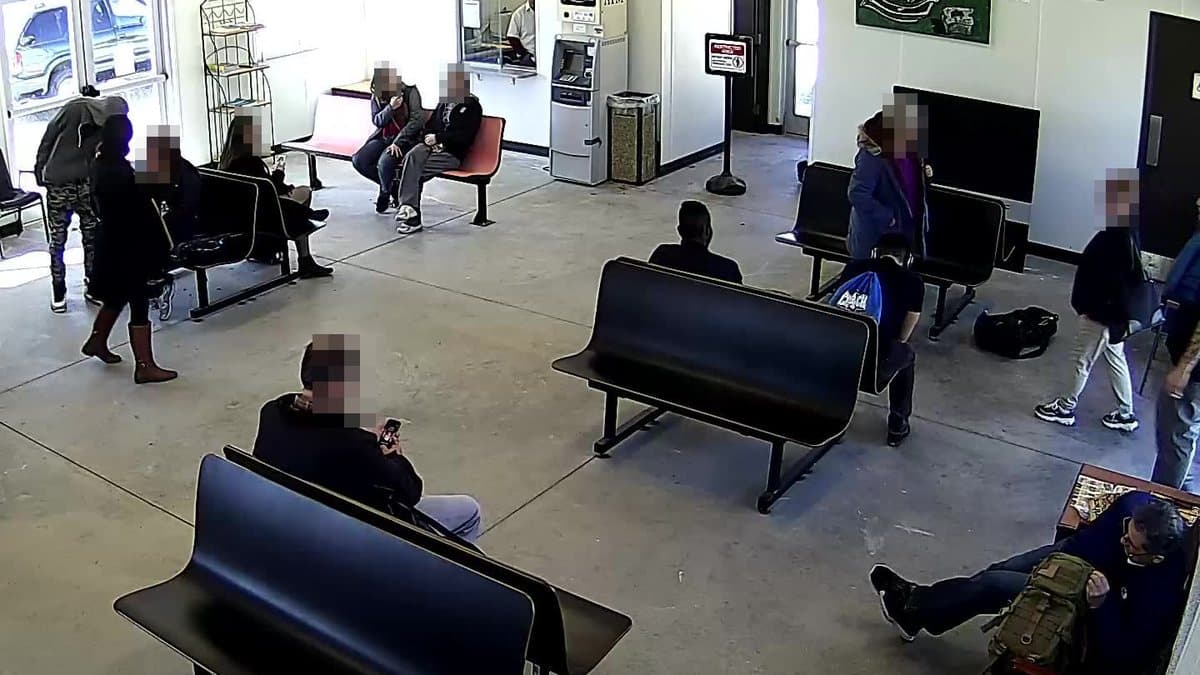
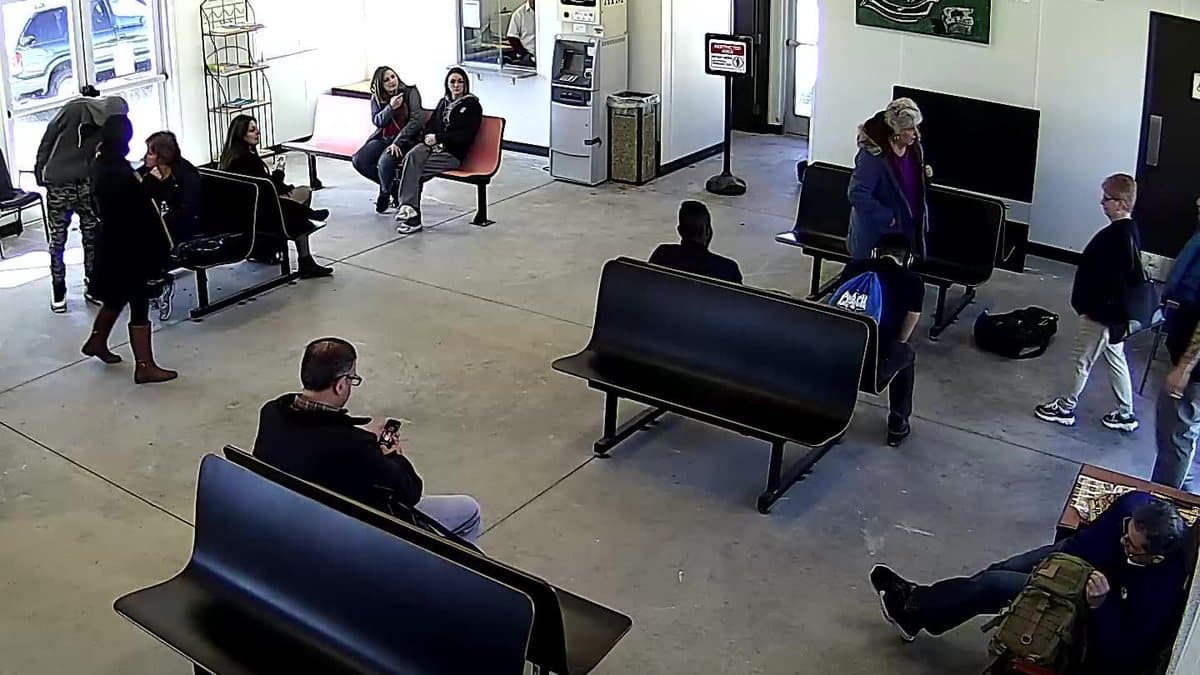
- Your Station pixelates faces before a frame reaches the AI or an incident snapshot.
- Hidden areas black out windows, neighbouring units or anything that must never be seen.
- Frames go directly from your Station to your AI provider, never through our servers.
- Put up the camera signs and notices your local law requires.
Before you rely on it.
Camera exit detection is an extra pair of eyes. Plan around what it cannot do.
It is not a fire safety inspection
It does not replace the exit checks and records your fire safety rules require.
It cannot move anything
It tells the people you choose. Someone still has to clear the way.
Alerts come after your wait
You hear about it once the time you set has passed, plus the time the AI needs to check the frames.
It only sees what the camera sees
An exit hidden by a vehicle, glare or darkness cannot be judged. Check your views at night.
AI can be wrong
It can miss a small object or flag a car that is about to move. Test it in your space and adjust the wording.
It needs power and internet
The camera, Station and network must stay on. Monitoring-interruption Messages tell you when a camera stops working.
Where blocked exit detection helps.
Questions & answers
Will it alert every time a car stops?↓
No. Set how long the way must stay blocked, for example 2 minutes, and describe what normal looks like. Short stops and deliveries in progress stay quiet.
Can it watch fire exits?↓
Yes, it can notice objects in front of a fire exit. It supports, but does not replace, the checks your fire safety rules require.
Can it tell a waiting car from a parked one?↓
Partly. Describe the difference you care about, such as “the driver has left the car” or “another car is waiting behind it”, and set a wait so brief stops do not count.
Can one camera watch several exits?↓
Yes. Name each exit in the description, or add location context that says where each one is.
Does it work at night?↓
Yes, if the camera can see the exit in the dark, for example with infrared night vision or a light. Check a night-time view before you rely on it.
Can it tell us whose car it is?↓
No. There is no number-plate or face recognition. Use your own records to find the owner.
Which cameras can I use?↓
Most network cameras you already have. Find your brand and model in our supported-camera guides, connect it to your Station and attach the Event.
What does it cost?↓
$9 per camera per month, with no base fee. AI usage is billed separately by the AI provider you choose.
Know when the way through needs clearing.
Create a blocked exit Event →$9 per camera per month. Bring your own AI provider key.